Resources for Veterans and Active Duty
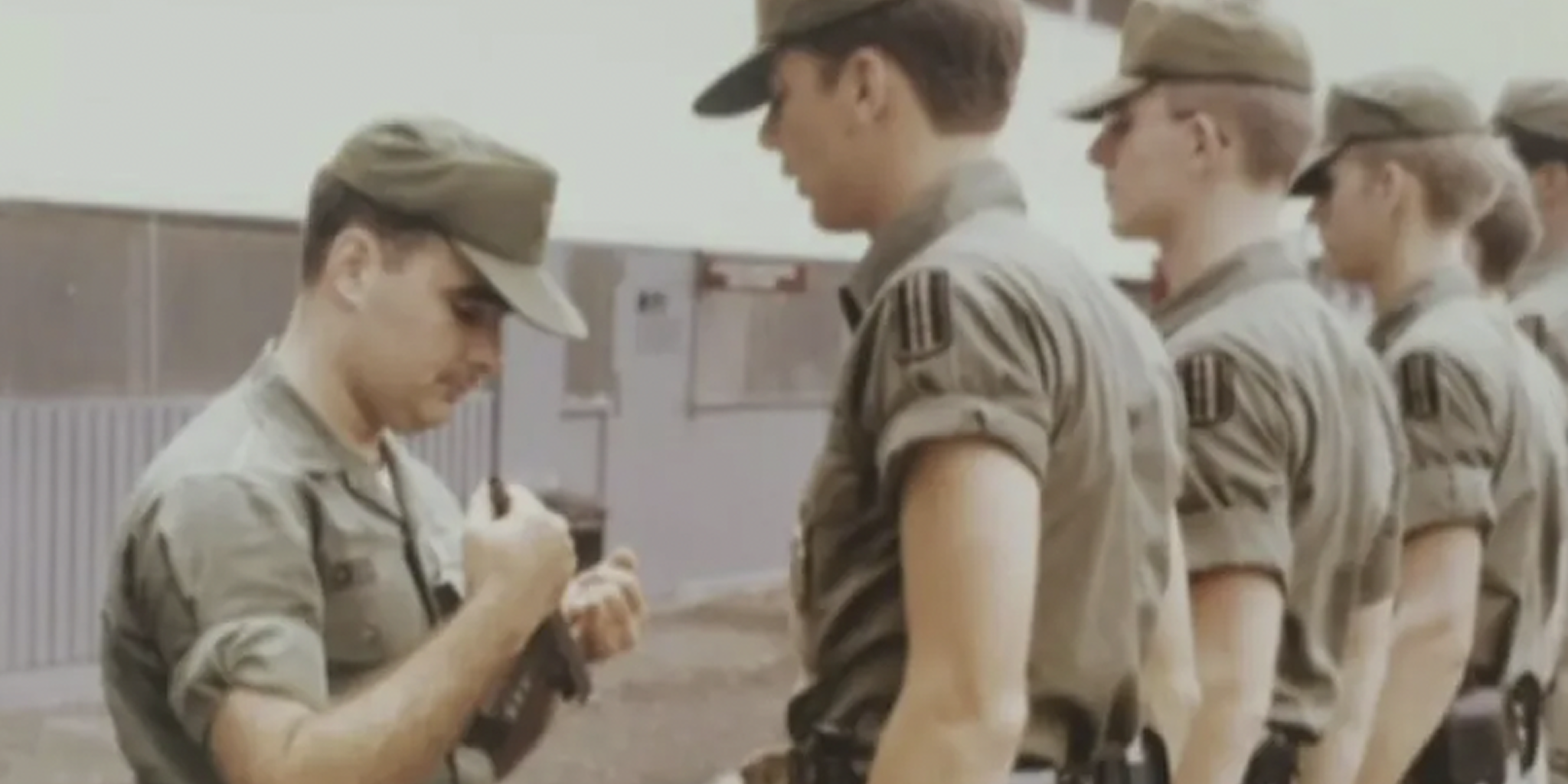
Several U.S. veterans who served in Panama from the 1960s to the 1980s are reporting that the Department of Veterans Affairs is rejecting disability claims associated with toxic chemical exposure, citing that the Pentagon does not classify Panama as a “presumptive” location for Agent Orange or similar herbicides.
Steven Price, 66, joined the Army in 1981 with the intention of returning to Panama, a location that saw over 10,000 troops stationed there throughout the decade. He dedicated three and a half years in the Canal Zone as a radio operator and linguist, frequently alongside pesticide fogging trucks that combined toxic chemicals with diesel fuel. The area was involved in the transportation of herbicides to Southeast Asia for several decades, including Agent Orange, which was funneled through U.S. bases from the 1950s to the 1970s.
Price departed from military service in 1987 and currently resides as a fully disabled veteran, having been diagnosed with chronic lymphocytic leukemia and ischemic heart disease—conditions that medical literature has associated with chemical exposure. “I was doused by vehicles.” "I spotted it out in the field," he remarked.
However, the VA does not classify Panama as a presumptive exposure site according to the 2022 PACT Act, which broadened benefits for toxic exposures in Iraq, Afghanistan, and Vietnam. The agency relies on a Department of Defense list that excludes Panama, leaving Price and nearly 400 veterans with comparable diagnoses unable to qualify for benefits automatically.
Nineteen members of Congress called on the VA in a bipartisan letter from February 2024 to reconsider the matter, stating that public documents verify the movement of herbicides through Panama and that veterans impacted have shown illnesses “consistent with herbicide exposure.”
The Government Accountability Office's 2018 review uncovered "inaccurate" and "incomplete" federal herbicide records, further complicating the claims.
Supporters contend that the matter extends beyond Agent Orange. Price points to old records showing that a diesel-mixed version of DDT was used in the Canal Zone to control mosquitoes, which led to the release of particles containing benzene. Price obtained a letter from a doctor at Texas Oncology Medical Center, stating that there is an established association between benzene and leukemia. A letter obtained by Price reveals that a doctor at Texas Oncology Medical Center stated, “The association of benzene and leukemia is established.”
Recent individual appeal victories have provided minimal respite. In 2020, the Board of Veterans’ Appeals approved Robert Butler, a Marine Corps veteran, following the submission of federal shipping records. Price described the decision as encouraging while also pointing out that “the VA does not use other appeal cases as precedents.”
Legislators are currently working on new laws to address the needs of veterans from the Panama era. However, aides indicate that lawmakers are still deliberating over the timing and extent of the toxic substances involved. The Pentagon has yet to provide the mandated briefing on herbicide use in Panama, as required by the fiscal 2025 defense bill.
Price expressed concerns about the potential risks faced by new troops as the U.S. resumes its activities in Latin America. “Are we certain that deploying these troops back there without adequate protection is the correct course of action?” he questioned.
Task & Purpose was the first to break this story.


From breaking news to thought-provoking opinion pieces, our newsletter keeps you informed and engaged with what matters most. Subscribe today and join our community of readers staying ahead of the curve.
From breaking news to thought-provoking opinion pieces, our newsletter keeps you informed & engaged.


.jpg)
.jpg)
.jpg)
.jpg)
.jpg)
.jpg)