

Resources for Veterans and Active Duty
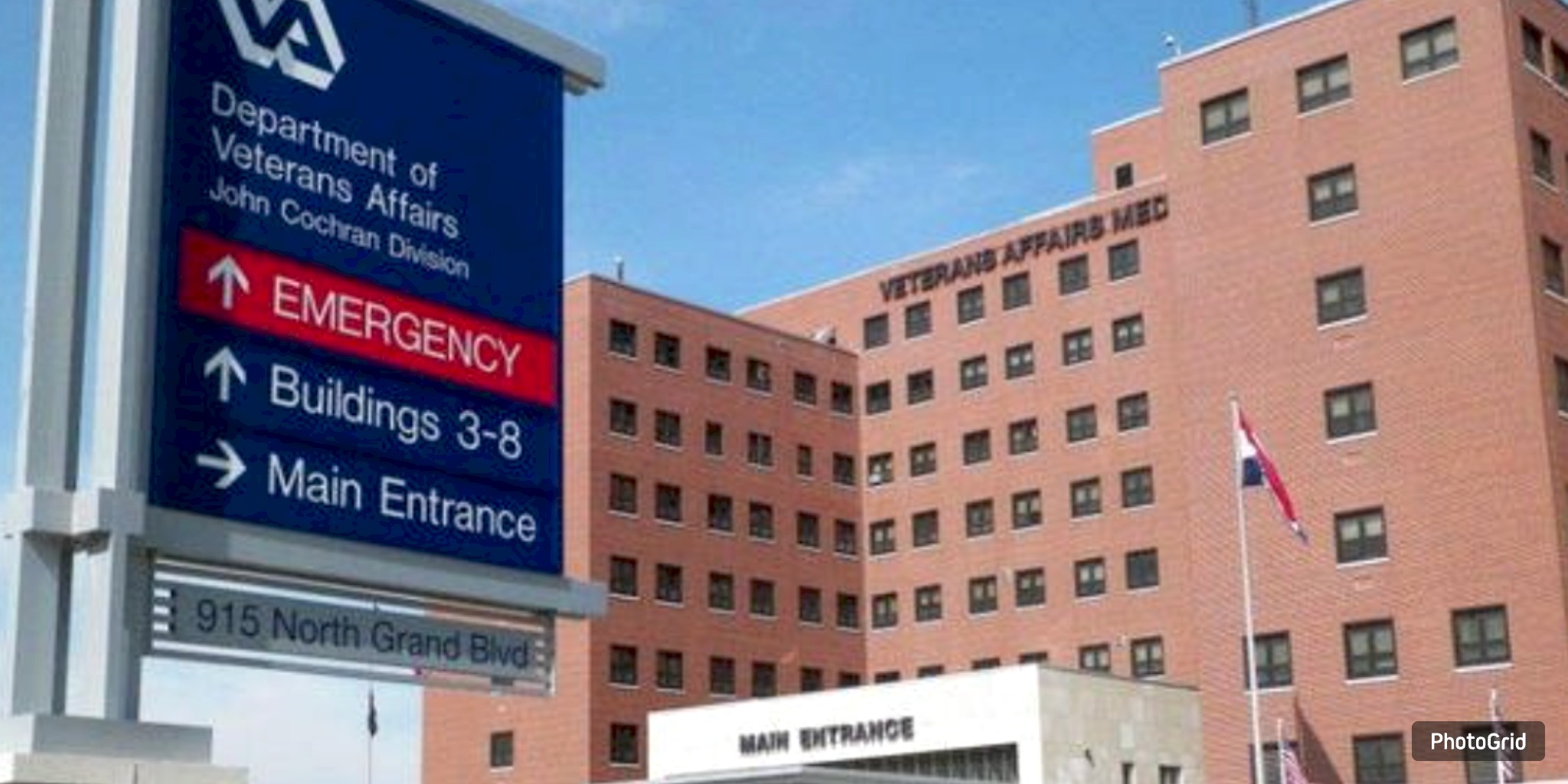
A federal oversight agency has highlighted alarming conditions within several Veterans Affairs hospitals, cautioning that physical dangers and deficiencies in training jeopardize the well-being of mental health patients and demand immediate, comprehensive action across the system.
In late December, the Office of Inspector General published findings resulting from three investigations conducted at VA medical facilities located in Massachusetts, New York, and West Virginia. Investigators characterized the problems as “suicide hazards,” a phrase that refers to environmental risks potentially facilitating self-harm within inpatient mental health facilities.
Inspectors at the VA Boston Healthcare System in Brockton, Massachusetts, discovered several safety hazards, including exposed plumbing, unsecured cords and equipment, as well as fixtures featuring sharp edges or protruding handles. The report indicates that these defects constituted “a critical vulnerability in the facility’s suicide prevention infrastructure,” necessitating prompt national attention.
“In light of the gravity of the situation and analogous issues noted at various facilities, the Office of the Inspector General is widely sharing these initial findings,” the report stated, calling on other facilities within the Veterans Health Administration to evaluate and tackle similar risks.
Brockton staff took action by removing hazardous items, establishing 15-minute safety checks, offering targeted training on environmental hazards, and implementing ongoing observation periods for specific patients. Hospital leadership undertook a thorough risk assessment and formulated long-term corrective measures, although the report did not specify those strategies.
Authorities have indicated similar issues at VA hospitals located in New York and West Virginia. Inspectors at the Margaret Cochran Corbin VA Campus discovered that a panic button, designed for patients and staff to call for assistance, was not operational. Fire doors equipped with three-point hinges were also identified as presenting “ligature risks,” indicating their potential use as anchor points for self-harm.
Investigators at the Martinsburg VA Medical Center noted the presence of unapproved window coverings in patient rooms, which posed similar risks and had been slated for replacement in the past. The report highlighted concerns regarding potentially hazardous shower-room equipment that may hinder staff response times in emergency situations.
The oversight body emphasized the deficiencies in training, extending beyond just physical infrastructure. In New York and West Virginia, almost 75% of the pertinent staff have yet to finish the mandatory annual environmental hazard training aimed at mitigating risks associated with problems like damaged furniture or unsecured wiring. Hospital directors informed investigators that they would ensure documentation of the necessary training and oversee compliance via safety inspection teams.
The Department of Veterans Affairs has announced that it is currently reviewing the findings and is actively working to address the identified hazards present in its facilities.
If you or someone you know is in need of support, the National Suicide Prevention Lifeline is accessible around the clock by calling or texting 988.


From breaking news to thought-provoking opinion pieces, our newsletter keeps you informed and engaged with what matters most. Subscribe today and join our community of readers staying ahead of the curve.
From breaking news to thought-provoking opinion pieces, our newsletter keeps you informed & engaged.


.jpg)
.jpg)
.jpg)

.jpg)
.jpg)

.jpg)
