

Resources for Veterans and Active Duty
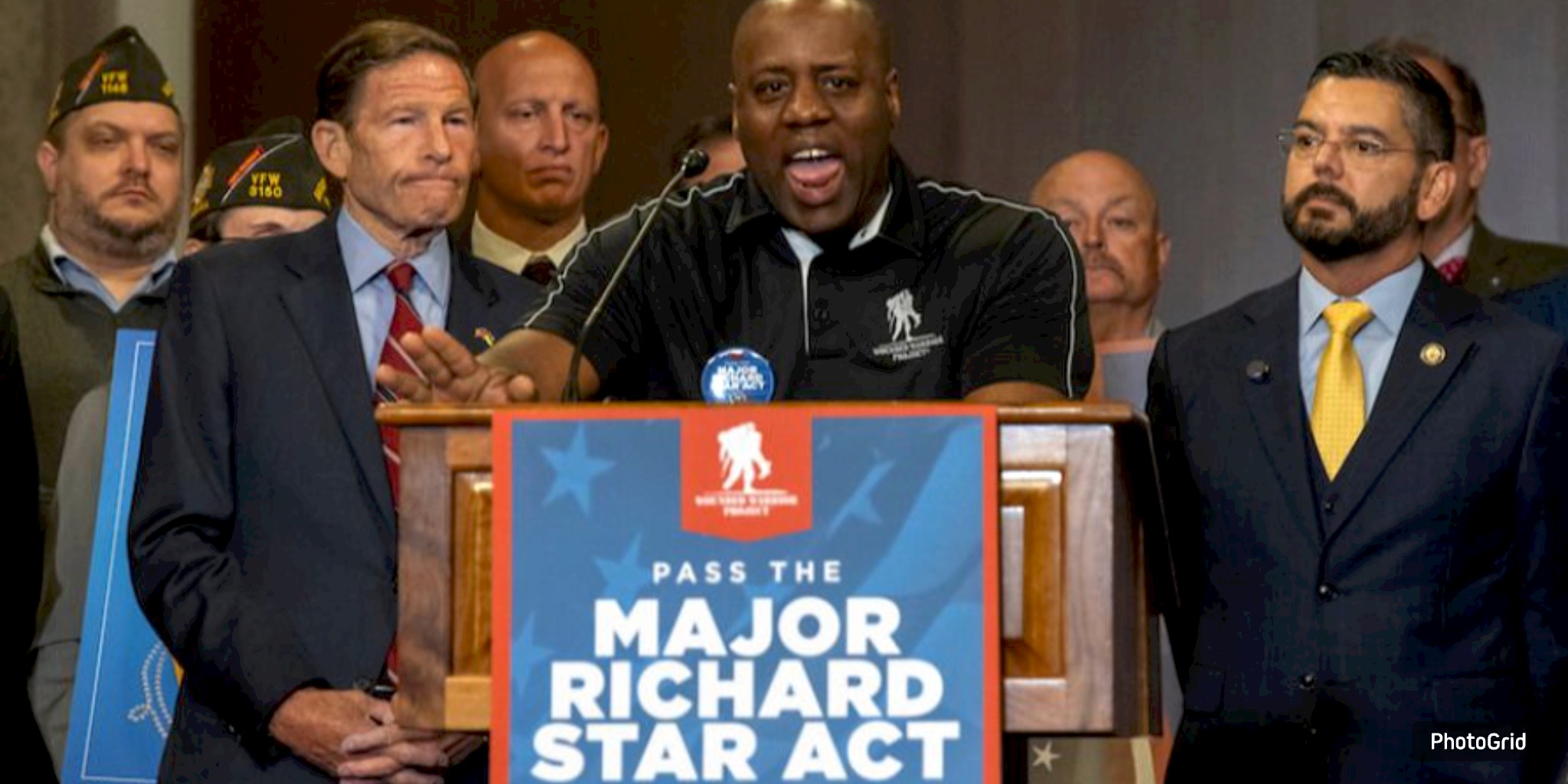
Disabled war veterans Lyle Allen and Chad Rogers said the Major Richard Star Act might fix an unfair policy that denies many medically retired service personnel full retirement pay and disability benefits, proponents and advocates said.
Allen and Rogers, both 100% handicapped Army veterans who fought in Iraq, told Military.com they feel “shortchanged” by current law, which decreases military retirement pay dollar-for-dollar by Veterans Affairs disability compensation for many medically retired soldiers.
Rogers added, “We are eligible for all the benefits except our retirement.” We retired without retirement.”
Bipartisan legislation named for Army Maj. Richard Star would allow combat-injured veterans who were medically retired before 20 years of service to receive full military retirement and VA disability benefits.
Star campaigned for the reform until his 2021 lung cancer death from burn pit exposure throughout deployments.
Only qualified retirees with at least 20 years of service or CRSC eligibility can receive full retirement and disability pay without offset under current legislation. VA benefits diminish some veterans' retirement pay, leaving them with little or no retirement income after disability pay.
The Star Act would remove the “wounded veteran tax” by letting medically retired veterans and their families to choose between CRSC and full retirement pay and VA disability payments, providing more financial security.
The House (H.R. 2102) and Senate versions of the measure have strong support from veteran service organizations and parliamentarians.
The legislation has stalled in Congress. Despite overwhelming bipartisan cosponsorship, Senate Veterans' Affairs Committee hearings, and advocacy group reports, procedural issues prevented a 2025 Senate vote on the bill.
Veterans and advocates have delivered thousands of petitions to Capitol Hill and urged a floor vote.
“This just does not affect me personally; this affects our future generation as well,” Allen added, claiming that the move will help combat-wounded people.
Proponents argue the bill's cost is low compared to government spending and that rectifying the offset respects combat-injured veterans who left service.
Supporters argue that the measure's bipartisan roots and advocacy efforts encourage lawmakers to act, but its current session status and attachment to must-pass legislation like the National Defense Authorization Act remain uncertain.


From breaking news to thought-provoking opinion pieces, our newsletter keeps you informed and engaged with what matters most. Subscribe today and join our community of readers staying ahead of the curve.
From breaking news to thought-provoking opinion pieces, our newsletter keeps you informed & engaged.


.jpg)
.jpg)


.jpg)

.jpg)

.jpg)